 Kurious by Galapptic
Ancient Words Have Survived 6000 Years Hidden in Plain Sight
The word you use for 'mother' connects you to Bronze Age herders who roamed the steppes six millennia ago.
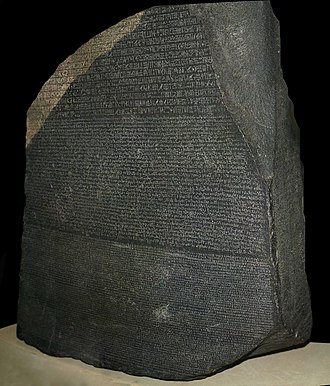
Around 4000 BCE, a group of people living near the Black Sea spoke a language that would eventually birth nearly half the world's tongues. We call it Proto-Indo-European, and though nobody wrote it down, linguists have reconstructed thousands of its words by working backwards from patterns. Words like 'mother' (mater in Latin, mutter in German, matr in Sanskrit) all trace to the PIE root *méh₂tēr. Similarly, 'three' appears as tres, drei, and tri across continents. These aren't coincidences—they're family resemblances spanning six millennia. The speakers vanished, their culture faded, but their words survived, shapeshifting through countless mouths yet remaining recognizable to those who know where to look.